

Soft Silicone Oil: Enhancing Performance, Feel, and Efficiency Across Modern Industries
In today’s competitive manufacturing and formulation environment, materials that deliver superior performance while improving user experience are essential. Soft silicone oil is a versatile functional fluid widely used in personal care, textiles, plastics, rubber, coatings, and industrial processing. Known for its excellent softness, smooth hand feel, and chemical stability, soft silicone oil has become a key ingredient for manufacturers seeking to enhance product quality, processing efficiency, and end-user satisfaction.
At the structural level, soft silicone oil is engineered with carefully controlled molecular chains that provide an ideal balance between lubricity and compatibility. This structure allows it to spread evenly across surfaces, forming a thin, uniform film without greasiness. Its low surface tension enables excellent wetting and penetration, while high thermal and oxidative stability ensures consistent performance under varying processing conditions. These characteristics make it suitable for both water-based and solvent-based systems, expanding its application range across industries.
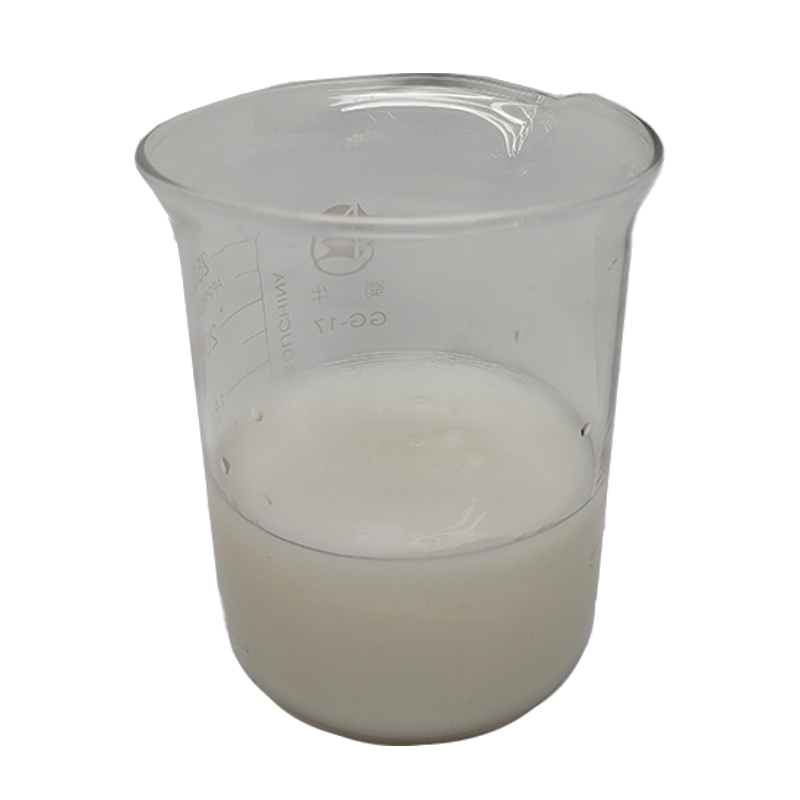
One of the most important product advantages of soft silicone oil is its ability to deliver a long-lasting, silky-soft touch. In personal care and cosmetic formulations, it improves skin feel, enhances spreadability, and reduces tackiness without clogging pores. In textile finishing, it imparts smoothness, softness, and elasticity to fabrics, improving drape and comfort while maintaining breathability. Unlike traditional softeners, soft silicone oil offers superior durability, maintaining its effect even after repeated washing or prolonged use.
From a functional perspective, soft silicone oil plays a critical role in improving processing efficiency and product consistency. In plastics and rubber manufacturing, it acts as an internal and external lubricant, reducing friction during extrusion, molding, and calendering. This results in smoother surfaces, fewer defects, and reduced equipment wear. In coatings and inks, it enhances leveling, slip, and anti-blocking properties, contributing to better appearance and application performance.
Real-world applications highlight the value of soft silicone oil in solving industry-specific challenges. A textile finishing plant introduced soft silicone oil into its fabric treatment process to address customer complaints about stiffness and poor hand feel. The result was a noticeable improvement in softness, fabric elasticity, and customer satisfaction, along with reduced reprocessing rates. In a personal care case, a skincare brand reformulated its lotion by incorporating soft silicone oil, achieving a lighter, more luxurious texture that improved user perception and increased repeat purchases.
Most importantly, soft silicone oil addresses common pain points faced by manufacturers and formulators. It helps overcome issues such as rough texture, uneven surface finish, poor lubrication, and instability under heat or shear. By offering excellent compatibility, durability, and performance consistency, it reduces formulation complexity and production risks. For customers, this means higher-quality products, lower defect rates, and improved brand competitiveness. As industries continue to demand materials that combine functionality with sensory appeal, soft silicone oil stands out as a reliable and high-value solution.
Blogs
Other Blogs
Any Questions? Get In Touch.
We Can Recommend Suitable Products According To Your Needs.